Real photos got
a receipt
9 July 2026 · Photography
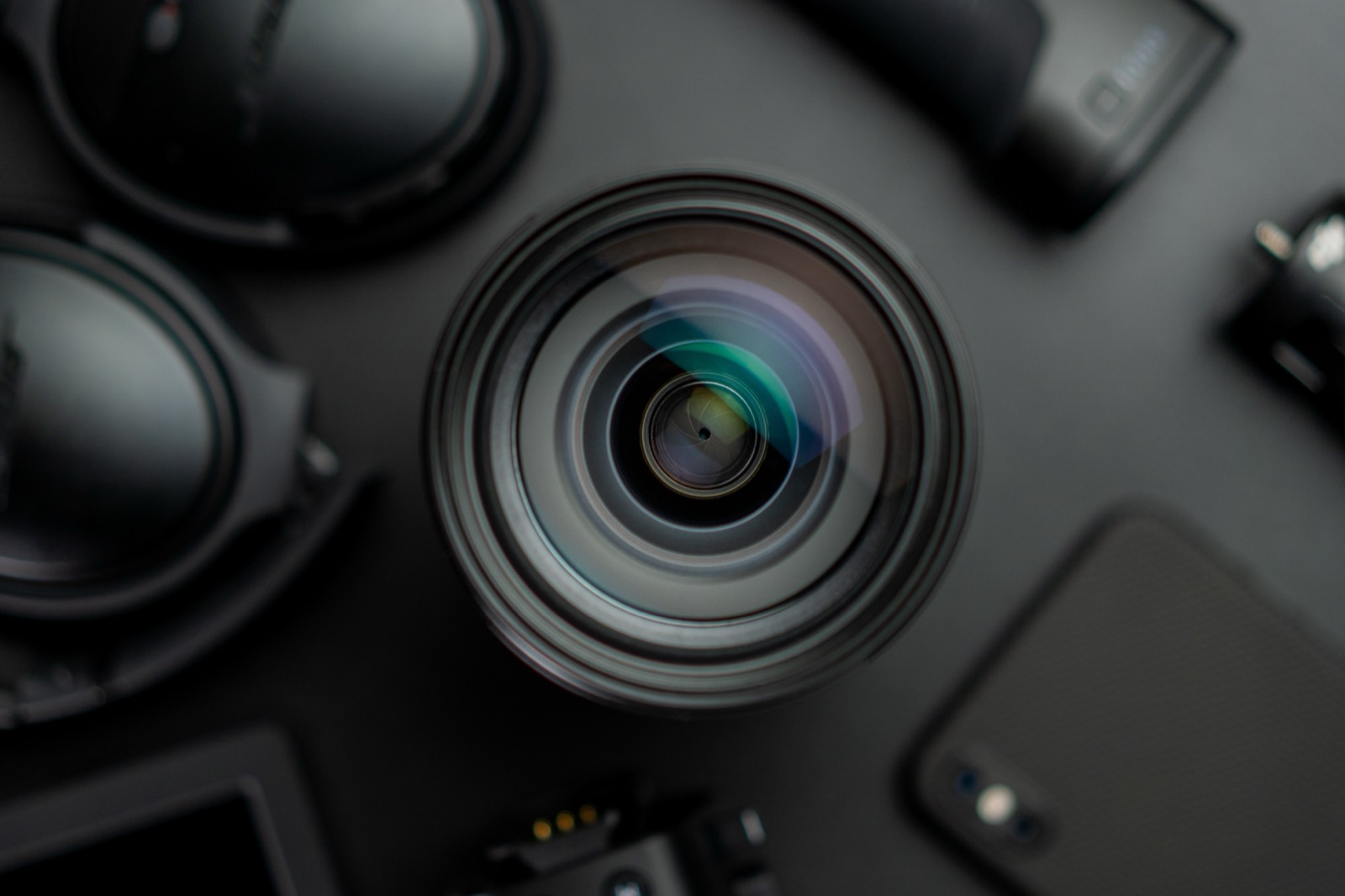
Anyone can fake a photo now. A phone, a prompt, ten seconds. So the camera did the one thing a prompt cannot. It started signing its own work.
On 11 May 2026, Canon switched on something quietly enormous. Its Authenticity Imaging System went live, Europe first, built on the open C2PA standard. Point a supported body at the world, press the shutter, and the file comes out carrying a sealed record of where it came from. Not a watermark you can crop off. A cryptographic signature baked in at the moment of capture, tamper evident, verifiable later by anyone.
For years the argument about AI images was about quality. Could you tell? Soon you could not. That fight is over. The new fight is about proof. And proof is a much better game for real photography to play.
01What Canon actually did
The system launched for two cameras, the EOS R1 and the EOS R5 Mark II, rolling out across Europe, the Middle East and Africa first. When the image authenticity feature is on, the camera writes a signed manifest into every frame. Capture time, device, settings, the lot, wrapped in a digital signature that breaks the second anyone edits the pixels behind its back. Trusted timestamps get stamped on top. The whole provenance trail can be checked at publication.
Reuters helped test it before launch. Using the R1 and R5 Mark II with the feature enabled, the newsroom confirmed the authenticated data came through reliably. That is the tell. This is not a gimmick for hobbyists. It is being built for the people whose entire job is publishing images the world has to believe.
02Why this is bigger than one brand
Canon is not first, and that is the point. Leica shipped the world's first camera signing photos at capture back in late 2023. Sony and Nikon added it to their flagships by firmware. Now Canon has turned it into a full newsroom system. Four of the biggest names in imaging, all pointing the same way.
And the plumbing underneath just grew up. C2PA, the standard all of them use, became a formal international standard last year, ISO/IEC 22144. That sounds like a footnote. It is not. ISO numbers are what governments, regulators and big buyers write into contracts. The moment "must carry verified provenance" can be a line in a tender, real photography stops being a nice to have and becomes a spec.
03The flip nobody saw coming
Here is the part most people get backwards. They look at AI flooding every feed with infinite free images and conclude photography is finished. Wrong way round.
When fakes are free and everywhere, the scarce thing is not an image. It is a true one. Trust becomes the product. A photograph that can prove it happened, that a real lens pointed at a real thing at a real moment, is now worth more than a thousand that cannot. AI did not make photography worthless. It made unprovable images worthless, and provable ones precious.
Think about what a brand actually buys when it commissions a shoot. Not just a nice picture. A claim. This product exists. This factory is clean. This founder was in this room. In a zero trust feed, a claim you can verify is a different asset entirely to a claim you cannot.
04What we'd build instead
Shoot real, and keep the receipt. If your work lives or dies on being believed, the case studies, the campaign that says "this really happened", the documentary frame, credentialed capture is about to move from edge case to expectation. Get ahead of the paperwork before a client asks for it.
Stop competing with AI on volume. That race is lost and it was never worth winning. Compete on the thing a prompt can never hand you, a real moment with a signature on it. Let the machines have the wallpaper. Own the proof.
And treat provenance as a creative brief, not an IT problem. The brands that win the next few years will make "you can trust this" part of how the work looks and feels, not a checkbox buried in the metadata. Realness is about to be a flex. Use it like one.
Real work, shot for real, is what we do. When "you can trust this" becomes the whole point, that is our job. Start something loud, or see how we think about photography and branding.