Gen Z bought
the worse camera
27 July 2026 · Photography
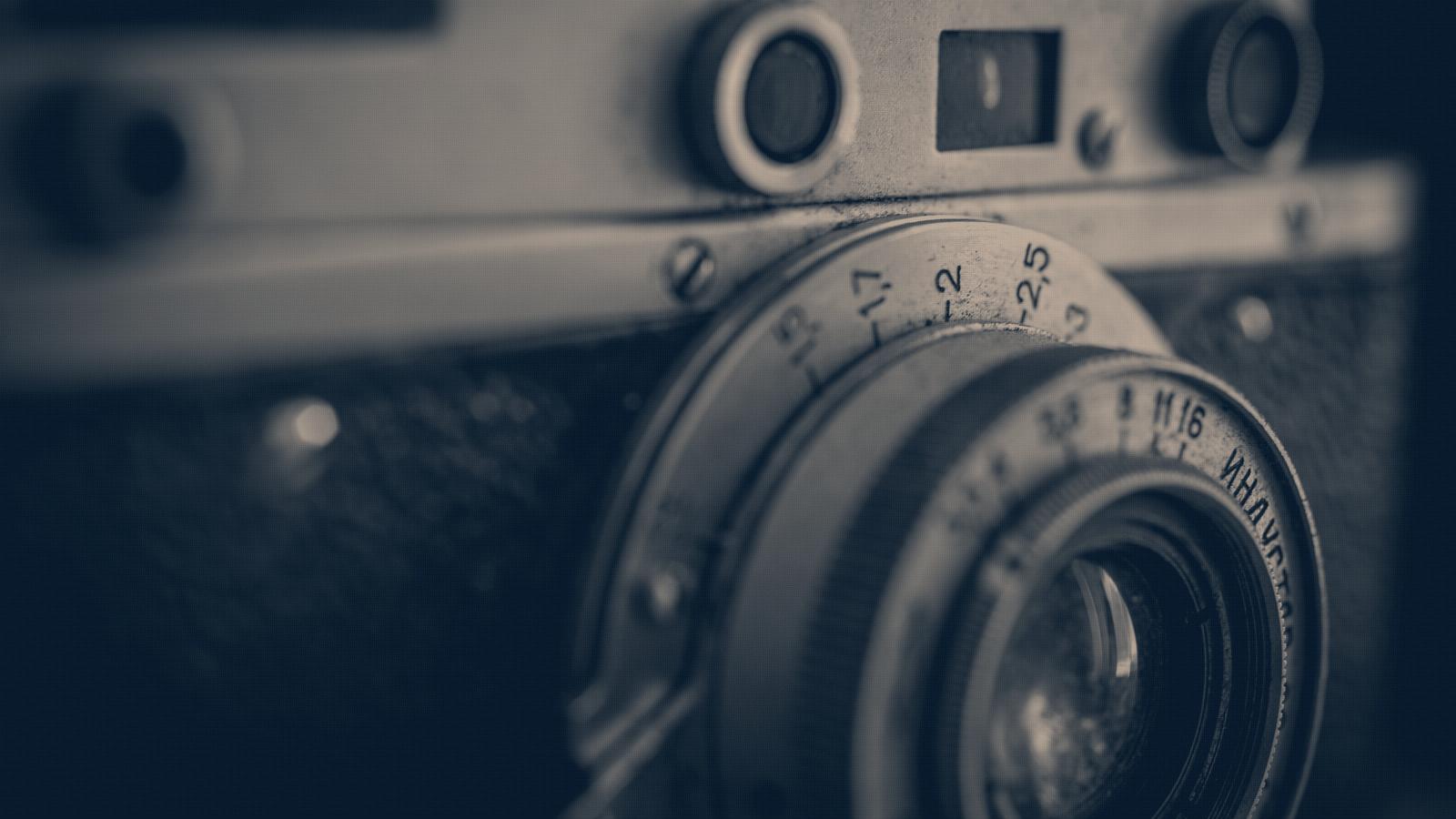
Everyone in this story owns a phone with a better camera than the one they went out and bought. They bought the worse one anyway. Grain, flash, blur, exposure that lands where it lands. In a feed where every image is either AI perfect or phone perfect, the flawed one is the only one that still reads as real. And the sales are not a rounding error.
For a decade the story was simple. The phone ate the camera. Point and shoot sales fell off a cliff, and the industry made peace with selling fewer, pricier bodies to people who already knew what an aperture was.
Then the numbers turned. Not the mirrorless flagships. The cheap, small, unfashionable compact. The camera the phone was supposed to have killed.
01What the numbers say
CIPA is the Japanese body that counts what the camera makers ship. Its full year figures for 2025 are blunt. Fixed lens compact cameras rose 29.6 percent in units, to 2.44 million bodies. The money spent on them jumped by almost half.
That is not a blip. CIPA projects 2.77 million fixed lens cameras for 2026, another 13.6 percent up. The first months of the year kept the same shape: compacts climbing, DSLRs still sliding, mirrorless roughly flat. Canon, Nikon and Sony are all reviving the format they left for dead.
Read it back slowly. A camera category that a smartphone made pointless is growing double digits, two years running, in a market where almost everyone already carries a better lens in their pocket. People are choosing to spend real money on a device that does less.
02Why the worse camera won
Ask a nineteen year old why and they will not say resolution. They will say the way it looks.
A small sensor and a hard on camera flash produce a very particular picture. Blown highlights. Visible noise. Odd colour. A face that is a bit too lit against a background that fell into the dark. It looks like a photo from 2007, taken without a thought, printed at a chemist and never edited.
That is the point. The look says nobody tried. And in 2026, nobody trying is the rarest thing in the feed.
On TikTok and Instagram the trend has a name. Digicam dumps. A grid of flash lit, slightly wrong photos from a night out, posted without a filter and without a caption agonised over for an hour. The imperfection is the message. This happened, I was there, I did not fix it up for you.
03What they are actually buying
Not a camera. A signal.
Two things have quietly poisoned the polished image. The first is AI. When any prompt can produce a flawless, evenly lit, perfectly composed picture in ten seconds, flawless stopped being proof of effort and started being proof of nothing. The second is the phone itself. Computational photography got so good that every phone photo now looks the same sort of good: sharpened, brightened, denoised, smoothed into a house style nobody chose.
So the eye learned a new rule. Perfect reads as fake. Rough reads as real.
The compact camera is how a generation is buying its way out of a look it no longer trusts. It is a physical opt out of the smooth. There is a second reason too, quieter but real. The camera does one thing. You take the photo and you carry on with the night, no notifications, no urge to check, no editing at the table. People are calling it a small act of putting the phone down.
04The bigger pattern
We wrote a few weeks ago about cameras that now sign their photos with cryptographic proof of origin, so a real image can prove it is real. This is the same story arriving from the other direction. That one was about the law and the machinery of proof. This one is about taste.
Both point at the same shift. When fakes are free and everywhere, the market moves its money toward whatever cannot be faked. One crowd wants the receipt. Another wants the look that a prompt cannot convincingly copy, the wonky, human, was there quality of a photo taken by someone who was actually in the room.
Realness is becoming the product. Not a nice extra on top of the product. The product.
05What we would do about it
Stop sanding everything smooth. The house style of the last decade, the even light, the retouched skin, the stock gloss, now carries the exact smell the audience is running from. Polished has started to read as paid for, and paid for reads as not true.
That does not mean shoot badly. It means leave the human in. Keep the grain. Keep a hard flash when a hard flash is honest. Let a real location be a bit dark. Put an actual person, on an actual day, in front of a real lens, and resist the urge to perfect them in the grade. The flaw is doing work. It is telling the viewer a machine did not make this.
And watch where the money is voting. A generation just paid a premium for less camera because less camera looks more honest. That is the whole brief for the next few years, printed in shipping data. The audience will pay for real. Give them something that could only have happened once, and do not polish the life out of it.
Real, on purpose, is a craft. That is ours. Start something loud, or see how we think about photography and social.